


-

Add: HeBei ShengShi HongBang Cellulose Technology CO.,LTD.
-

Email
13180486930@163.com -

CONTACT US
+86 13180486930

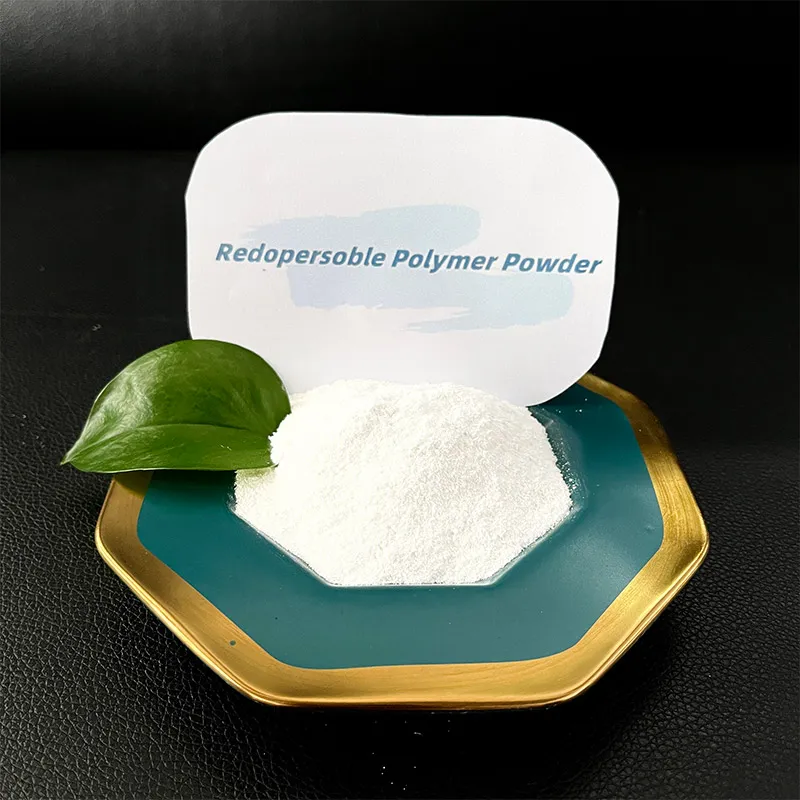


The Versatility and Applications of Polyvinyl Chloride Powder Polyvinyl chloride (PVC) is one of the most widely used synthetic plastics globally, with its powder form offering remarkable versatility and utility across various industries. PVC is produced through the polymerization of vinyl chloride monomer (VCM), leading to products that can be either rigid or flexible depending on the additives used during processing. This article explores the properties of PVC powder, its manufacturing process, and its diverse applications in numerous sectors. Properties of PVC Powder PVC powder is characterized by its excellent chemical resistance, durability, and fire-retardant properties. These characteristics make it a preferred material for many applications. The powder form allows for various processing techniques, including extrusion, injection molding, and calendaring. It can be compounded with other materials to enhance its properties, such as flexibility, weatherability, and color stability. By adding plasticizers, stabilizers, and other additives, manufacturers can tailor PVC powder to meet specific performance requirements for different applications. Manufacturing Process The production of PVC powder typically involves the polymerization of vinyl chloride gas, which is accomplished through suspension, emulsion, or bulk polymerization processes. The resulting polymer can be ground into a fine powder suitable for various processing techniques. During the manufacturing process, additives are incorporated to improve the powder's characteristics. For instance, lubricants may be added to enhance flow properties, while thermal stabilizers protect against degradation during processing. Applications of PVC Powder The applications of PVC powder are vast and span multiple industries, including construction, healthcare, automotive, and consumer goods. polyvinyl chloride powder 1. Construction In the construction sector, PVC powder is widely used to manufacture pipes, fittings, and profiles. Rigid PVC pipes are favored for their strength, lightweight, and resistance to corrosion, making them ideal for plumbing, drainage, and electrical applications. Additionally, PVC profiles for windows and doors provide energy efficiency, durability, and low maintenance. 2. Healthcare PVC powder plays a crucial role in the healthcare industry. It is utilized in medical devices, such as IV bags, tubing, and blood bags. The material's ability to be sterilized and its biocompatibility make it suitable for various medical applications. Furthermore, the flexibility of PVC can be modified with additives to ensure comfortable and safe medical products. 3. Automotive In the automotive industry, PVC powder is utilized to create interior parts, such as door panels, instrument panels, and seat covers. Its lightweight nature helps improve fuel efficiency, while its durability contributes to the longevity of automotive components. Additionally, PVC is often used in insulation for electrical wiring in vehicles. 4. Consumer Goods PVC powder is commonly found in a wide range of consumer products, from toys to footwear and household items. For example, inflatable products, such as pool floats and toys, benefit from PVC's waterproof properties. Its adaptability allows manufacturers to create products in various colors and textures. 5. Packaging The packaging industry also leverages PVC powder for producing cling films and other flexible packaging materials. PVC's excellent barrier properties help preserve the freshness of food products while providing visibility and durability. Conclusion In summary, polyvinyl chloride powder exhibits remarkable versatility, making it a crucial material in various sectors. Its unique properties and adaptability allow for tailored solutions to meet specific requirements in construction, healthcare, automotive, consumer goods, and packaging markets. As sustainability becomes increasingly important, the industry is also exploring recycling and eco-friendly alternatives to ensure that PVC remains a viable and responsible choice. With ongoing innovations and developments in processing techniques, the future of PVC powder is poised to remain bright, continuing to provide essential contributions across multiple industries.
- 40000tons

Production
- 20+years

Experience
- 5000+㎡

Acreage

-
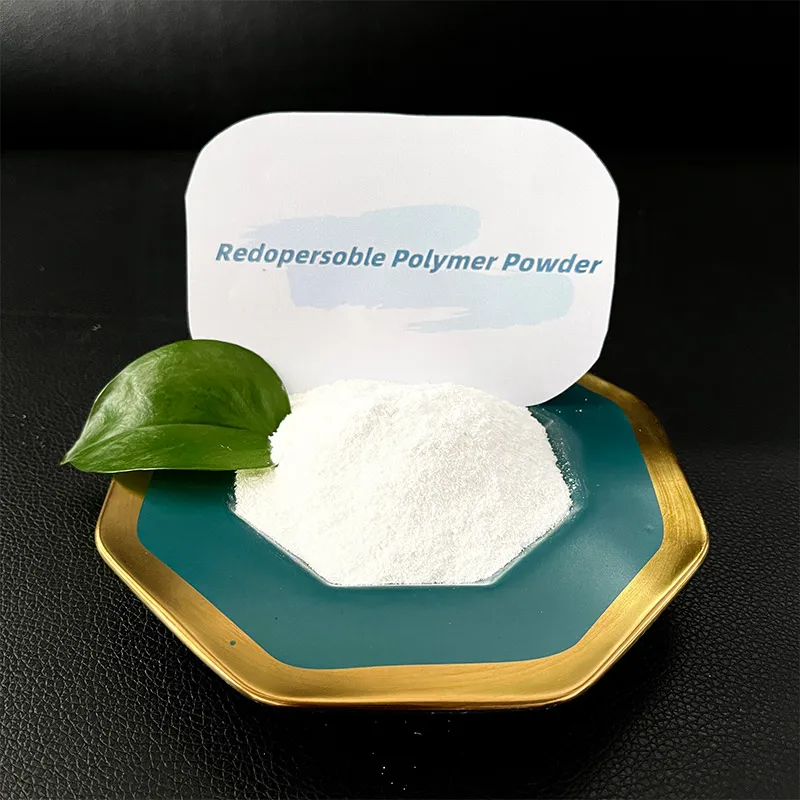
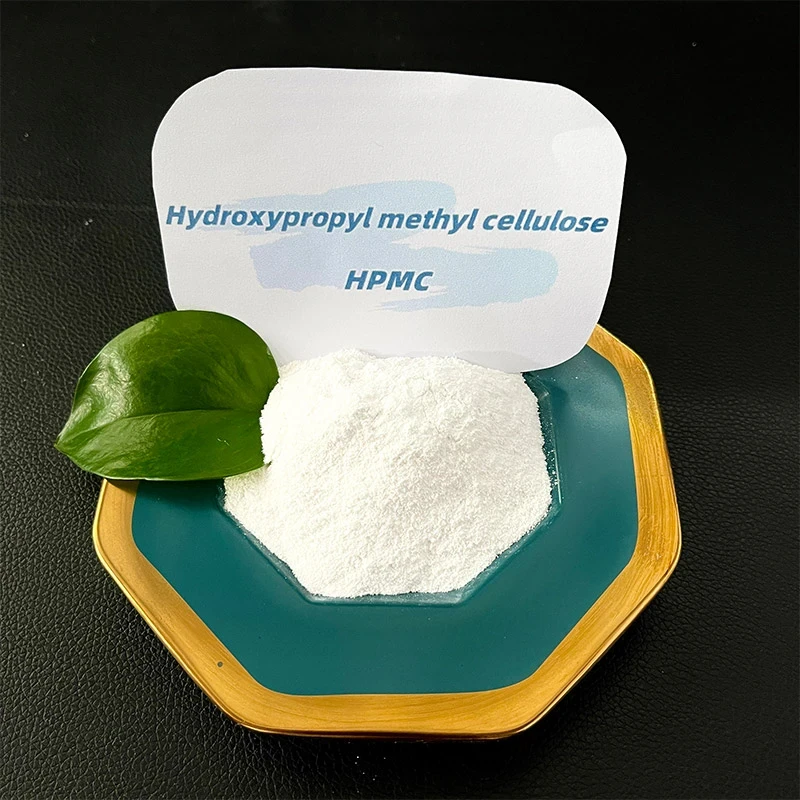
In the fast-evolving construction industry, innovations drive improvements in durability, workability, and efficiency. Hydroxypropyl methylcellulose (HPMC) has emerged as a critical component in these advancements, particularly in coatings and cementitious materials. This versatile additive enhances product performance and plays a pivotal role in meeting modern construction demands. Revolutionizing Coatings with Hydroxypropyl Methylcellulose Coatings are fundamental to construction, providing both aesthetic appeal and functional protection. Hydroxypropyl methylcellulose is an essential ingredient in coatings, improving their consistency and performance. As a thickening and stabilizing agent, hydroxypropyl methylcellulose ensures uniform pigment dispersion, creating smooth and flawless finishes. This is particularly beneficial in high-quality wall coatings, where even texture and sheen are paramount. The addition of HPMC significantly enhances the viscosity of coatings, preventing dripping and sagging during application, which results in cleaner, more precise work. Moreover, hydroxypropyl methylcellulose provides superior film-forming properties, making coatings more resistant to abrasion, cracking, and peeling. These qualities contribute to long-lasting protection of surfaces, even in harsh environmental conditions. Partnering with a trusted hydroxypropylmethylcellulose supplier is key to accessing the highest quality products for your coating solutions. Hydroxypropyl Methylcellulose : Significant Improvements in Building Materials When hydroxypropyl methylcellulose is introduced to building materials, the enhancements are striking. This remarkable additive optimizes the behavior and performance of mortars, renders, and wall putties, meeting the growing demand for reliable, high-quality construction materials. One notable improvement is enhanced adhesion. Wall putty formulated with hydroxypropyl methylcellulose adheres more effectively to surfaces, reducing the likelihood of detachment or cracks over time. Additionally, the product boosts workability, ensuring materials spread and apply easily without compromising structural integrity. In terms of strength and durability, hydroxypropyl methylcellulose in wall putty helps create stable mixtures that resist deformation and maintain longevity, even in fluctuating temperatures and humidity levels. These benefits translate to better performance and long-term value for both builders and end-users. Hydroxypropyl Methylcellulose : Optimizing Cement Slurry with Fluidity and Water Retention Fluidity and water retention are critical factors in the performance of cement slurries. Hydroxypropyl methylcellulose plays a crucial role in balancing these properties to achieve optimal results. Thanks to its water-retention capabilities, hydroxypropyl methylcellulose ensures that cement slurries remain moist for extended periods, allowing sufficient hydration of cement particles. This leads to improved curing and greater strength development in the finished material. Contractors can rely on HPMC to extend working times, providing flexibility during installation and minimizing material waste. The fluidity of cement slurry is another area where hydroxypropyl methylcellulose excels. By improving the viscosity and cohesiveness of the mixture, it reduces the risk of segregation and enhances pumpability, especially in large-scale projects. This is why many construction professionals choose to buy hydroxypropyl methylcellulose to achieve better results with their cementitious formulations. Partner with a Leading Hydroxypropylmethylcellulose Supplier The advantages of hydroxypropyl methylcellulose can only be fully realized with a reliable supply of high-quality material. Collaborating with an experienced hydroxypropylmethylcellulose supplier ensures consistent product quality and the support needed to address specific application requirements. By sourcing from trusted suppliers, you gain access to premium-grade HPMC, tailored to meet the unique demands of your project. Whether you’re formulating coatings, wall putty, or advanced cementitious materials, a reliable supplier helps you unlock the full potential of hydroxypropyl methylcellulose for your construction needs. Hydroxypropyl Methylcellulose : Building a Future of Efficiency and Innovation The influence of hydroxypropyl methylcellulose on modern construction is undeniable. From improving the aesthetic and functional properties of coatings to enhancing the durability and performance of building materials, this additive is transforming the industry. As sustainability and efficiency become central to construction, the adoption of hydroxypropyl methylcellulose will continue to grow. Builders and manufacturers are encouraged to embrace this game-changing material and trust its ability to meet the highest standards of quality, versatility, and reliability. Choose hydroxypropyl methylcellulose today to elevate your construction projects and experience unparalleled benefits. By working with a dependable hydroxypropylmethylcellulose supplier , you’re investing in excellence, innovation, and the future of the construction industry.
-
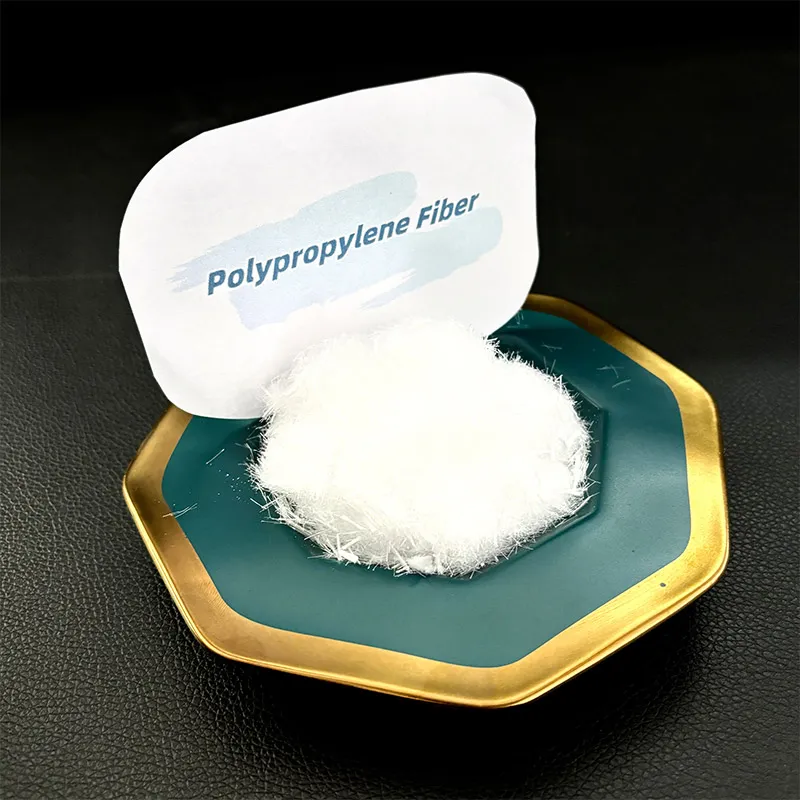
When exploring the vast world of pharmaceutical and construction materials, one cannot ignore the compelling attributes of Hydroxypropyl Methylcellulose (HPMC) and its viscoelastic properties. HPMC is gaining significant attention due to its multifunctional applications and unparalleled performance, making it a material of interest for industries committed to innovation. In pharmaceuticals, HPMC serves as a versatile excipient, acting as a binder, film former, and thickening agent. Its viscoelastic properties enhance the drug formulation's performance by providing controlled release and stability. The polymer matrix created by HPMC in tablet formulations plays a critical role in modulating drug release rates, ensuring that the active ingredient is delivered at the desired rate and dosage. The viscoelastic nature of HPMC allows for remarkable flexibility and resilience in medical formulations. It adapts to different compressional forces during tablet manufacturing, ensuring tablets remain intact during transport and handling while disintegrating appropriately when ingested. This adaptability underscores its reliability, making HPMC a trusted choice for pharmaceutical companies aiming to enhance drug efficacy and patient compliance. Beyond pharmaceuticals, HPMC's journey into the construction arena is equally notable. In dry mix mortar formulations, HPMC functions not only as a thickening agent but also as a water retention component. This dual characteristic is vital for cement-based applications where workability and setting times are crucial for project success. The viscoelastic nature of HPMC improves mortar adhesion and reduces shrinkage, thereby fortifying the structural integrity of constructions. HPMC's ability to retain water is particularly beneficial in enhancing the workability of mortars, preventing premature drying, and ensuring longer open times. For builders and contractors, this translates into ease of application and durability, even under varying climate conditions. Consequently, HPMC is increasingly regarded as an essential ingredient in high-performance construction materials, reflecting its authoritative position within the industry. hpmc viscoelastic The safety and non-toxic attributes of HPMC also contribute to its growing trustworthiness. Recognized by regulatory bodies across the globe, HPMC meets stringent safety standards, whether applied in health-sensitive environments like pharmaceuticals or in eco-conscious construction practices. This universal compliance reinforces HPMC's status as a dependable material, propelling its integration across multiple sectors. Expert insight into HPMC's potential applications indicates that ongoing research and development are further expanding its utility. Innovations in biocompatible and environmentally friendly materials suggest that HPMC’s role will continue to evolve, addressing new challenges in drug delivery systems and sustainable building practices. Such advancements satisfy modern demands for both efficacy and environmental stewardship. Experience_SHARED by industry professionals highlights that selecting high-quality HPMC can significantly impact the final product's performance. Therefore, sourcing from reputable manufacturers ensures consistency in quality and functionality, maximizing the viscoelastic benefits HPMC offers. In conclusion, HPMC's viscoelasticity is not merely a trait but a cornerstone of its application across diverse fields. Its role in enhancing product performance and compliance underscores its significance . As industries advance towards more sophisticated and sustainable solutions, HPMC stands as a testament to material innovation, promising new heights in both pharmaceutical and construction domains. Through its adaptable and reliable characteristics, HPMC will likely remain at the forefront of material selection for years to come.
advantages
-

200000 Viscosities
Excellent product
We can produce pure products up to 200,000 viscosities
-

40000 tons
High yield
We don’t stop production all year round, and the annual output can reach 40,000 tons
-

24 hours
Quality service
We provide 24-hours online reception service, welcome to consult at any time
———— Inquiry Form
Schedule A services


-
 poly_synthetic_fiber
Oct . 25, 2025
Methyl hydroxyethyl cellulose (MHEC) is a versatile polymer that is widely used across various indus -
 hpmc_solubility_in_ethanol
Oct . 25, 2025
In the world of construction and remodeling, the use of plaster retarder is a nuanced topic that dem -
 cellulose_filler_wood
Oct . 25, 2025
Next-Generation Wood Cellulose & Xylem Fiber: Technology, Industry Trends and Applications HeBei She


